
Blog
Take Control of Your Financial Future
Explore Blog

That quick beep when you tap your card or phone to pay? It's convenient, secure, and something most of us do without thinking twice. But scammers have found a way to exploit this technology and it's worth understanding how.
A scam known as "ghost tapping" targets contactless payment users. It's subtle, happens fast, and can result in unauthorized charges without you ever taking your card out of your wallet.
Here's what you need to know about ghost tapping and how to protect yourself.
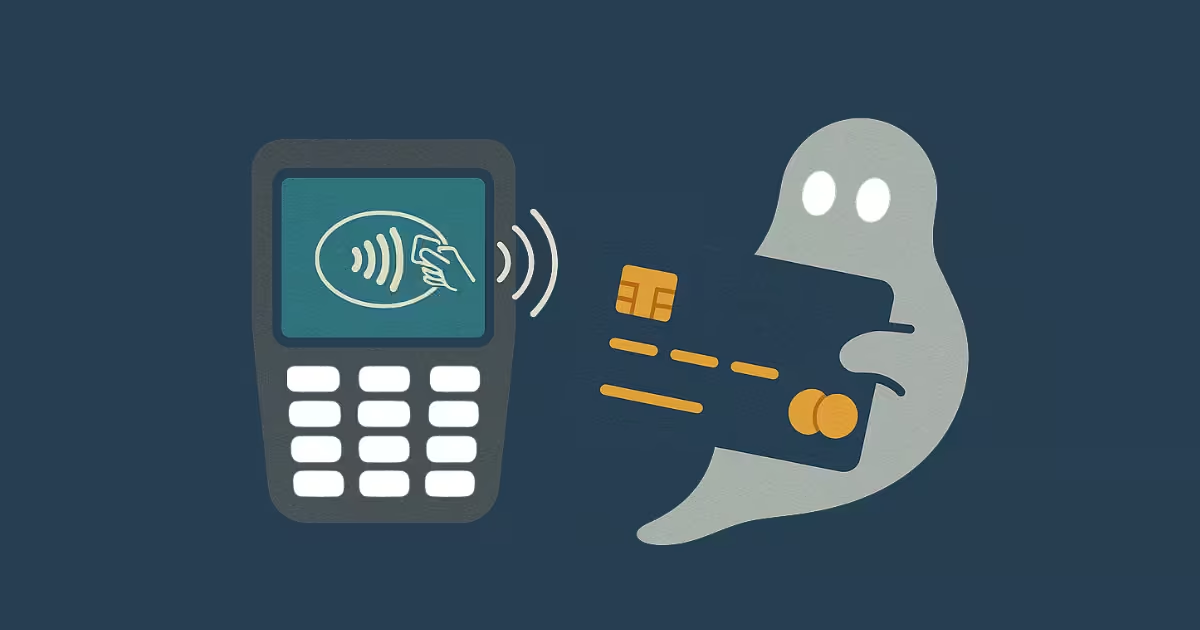
Ghost tapping is a contactless payment scam that exploits the near-field communication (NFC) technology that powers tap-to-pay transactions. Essentially, criminals use digital tools to trick payment terminals into processing charges as if your card was legitimately tapped—when it wasn't.
In some cases, they use devices that can read your card's signal from a short distance in crowded places. In others, they've obtained your card information and loaded it onto their own device. Either way, the transaction appears legitimate on the surface.
The name "ghost tapping" comes from the fact that these charges seem to appear out of nowhere. It’s also sometimes referred to as digital pickpocketing
While most contactless payments are secure, scammers have developed methods to exploit vulnerabilities:
These charges are often small, just a few dollars at a time. That's exactly what makes them so effective. Small amounts are easy to overlook, but they add up quickly.
Let’s say you’re standing in a crowded subway after work. Your wallet that contains your contactless credit card is in your bag. A scammer nearby is carrying a hidden payment device that’s set up to process small tap-to-pay charges. As the train makes its stops and picks up other riders, people shift closer together. The scammer briefly brings the device close enough to you and your bag. Your card is read, and a small charge goes through. Because the amount is low, you don’t notice anything unusual at the time, and only realize later when reviewing your bank statement.
Ghost tapping is concerning because it can happen even when you're doing everything right. You might be vigilant about phishing emails and suspicious links, but this scam targets people using modern, secure payment methods.
If you're working hard to pay down debt or stick to a budget, even seemingly minor surprise charges can disrupt your financial plan. That's why awareness and prevention are so important.
Stay alert for these indicators that ghost tapping—or similar contactless fraud—may be affecting you:
If something doesn't feel right, trust that instinct and investigate before proceeding.
You don't need to abandon tap-to-pay—just use it thoughtfully:
Another smart strategy: keep a separate card with a lower limit for contactless purchases. This way, if something does happen, your exposure is limited.
At Family Credit Management, we work with people every day to help them take control of their finances, and that means protecting every dollar.
Scams like ghost tapping don't just steal money; they can derail your financial progress. Unexpected charges can trigger overdrafts, lead to missed payments, or simply add stress to accounts you're working hard to stabilize.
If you've noticed unusual charges, experienced setbacks due to unexpected withdrawals, or you're feeling overwhelmed managing multiple bills, we're here to help. We can review your situation with you, identify your best options, and create a plan that puts you back in control.
Tap-to-pay is a genuinely useful tool, fast, convenient, and secure when used with awareness. But as with any technology, scammers are constantly looking for ways to exploit it.
Stay alert, regularly check your transactions, and remember that protecting your finances extends beyond paying down debt. It includes staying informed about digital threats and taking simple precautions to keep your money safe.
If you have questions or concerns about your financial situation, we're always here to talk!
No. Contactless card fraud is a broad category that includes any unauthorized transaction made using tap-to-pay technology. Ghost tapping is one specific type of contactless fraud in which a scammer attempts to trigger a tap payment from a nearby card without the cardholder realizing it. Other forms of contactless fraud can involve lost or stolen cards or unauthorized use of digital wallets.
You can reduce the risk by using an RFID-blocking wallet, keeping cards in secure pockets or bags, and enabling bank transaction alerts. You can also enable transaction alerts through your bank so you are notified right away if a purchase is made. Regularly checking your statements and reporting unfamiliar charges quickly also helps protect you.
Tap-to-pay is generally secure, but risks include unauthorized low-value purchases if a card is lost or stolen, as well as rare scams like ghost tapping. Security features such as encryption, tokenization, and transaction limits help reduce fraud.
It’s possible, but contactless cards usually only work within about 1–2 inches of a reader. Because of this short range, scammers would need to be very close to your card, and RFID-blocking wallets can add extra protection.

-min.avif)