
Blog
Take Control of Your Financial Future
Explore Blog

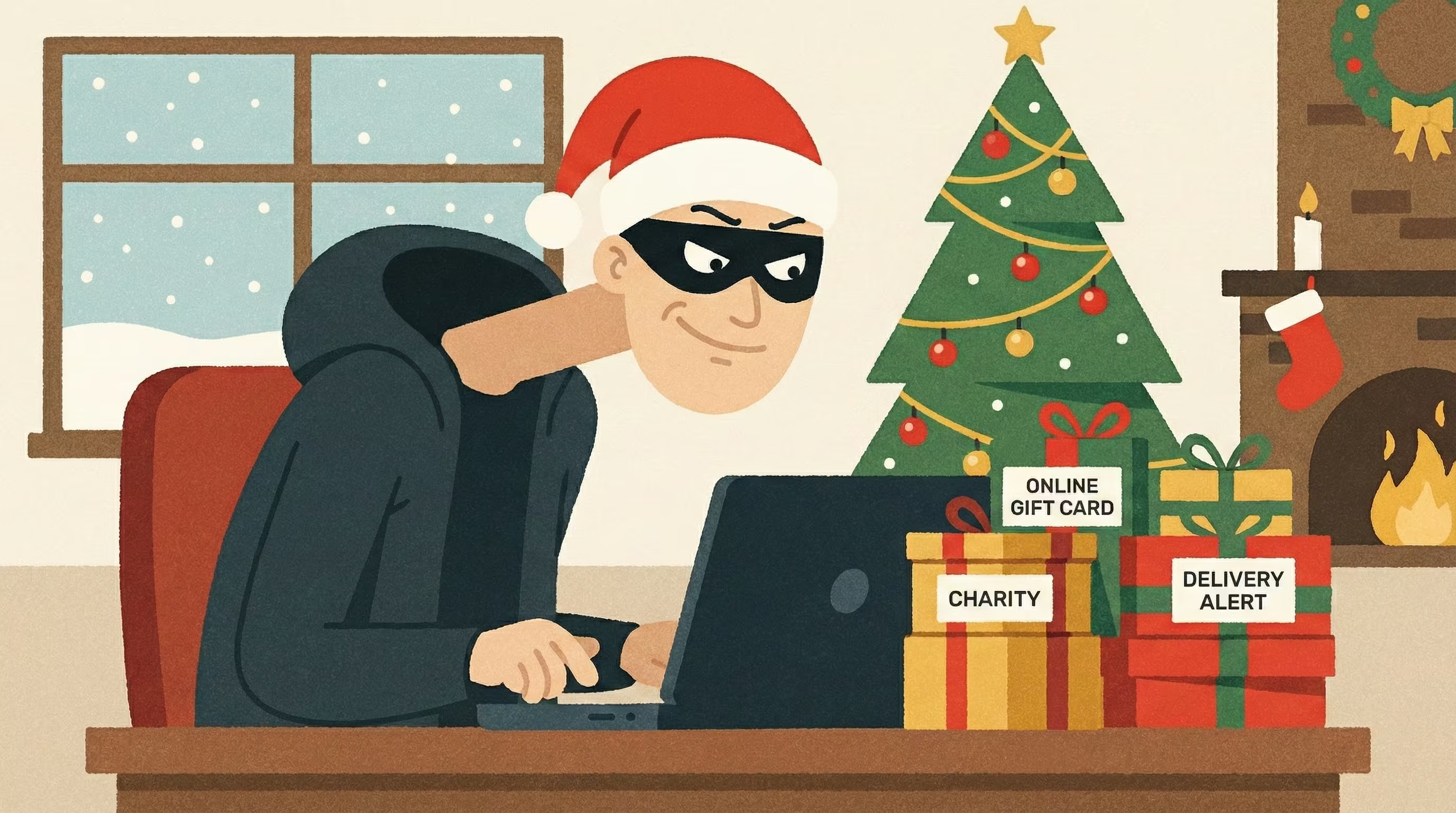
If you’ve ever received a scary email or text claiming you owe money you don’t recognize, threatening arrest, wage garnishment, or “immediate legal action,” you’re not alone.
We regularly hear from clients who forward us messages asking, “Is this real?” In most cases, the answer is no.
Debt-related scams are becoming more aggressive, more convincing, and more common. They’re designed to sound official and urgent, especially to people who may already be stressed about money. Knowing what to look for can help you pause, avoid panic, and protect both your finances and your personal information.
If you’re already dealing with debt or worried that you might be, messages like these can hit harder than they should. They’re intentionally written to create fear and urgency, which can make even people who’ve done nothing wrong second-guess themselves. That reaction is normal. It’s also precisely what scammers are counting on.
Scammers rely on fear and urgency. They want you to react before you think.
The goal is to scare you into paying a debt you may not owe or handing over sensitive information.
Here are some of the biggest warning signs we see:
Legitimate creditors and debt collectors cannot have you arrested for unpaid debt. Ever.
Messages may cite laws, warrants, or federal statutes incorrectly or out of context to sound official.
Especially when the contact email is a free Gmail or Yahoo address.
If you don’t recall the account, or it doesn’t appear on your credit report, that’s a major red flag.
Below are excerpts from actual messages our clients received and asked us to review:
This type of language is a classic scare tactic. Debt collection is a civil matter, not criminal.
Courts do not notify consumers this way, and wage garnishment cannot happen without proper legal process and notice.
Both examples demanded urgent action and directed consumers to email individuals using generic addresses, a major giveaway.
Real debt collectors must follow strict rules under federal law. That means:
If something feels off, it probably is.
This is something we do for consumers every day, and we’d much rather answer a quick question than see someone panic and pay a scammer.
Scammers often target people who are already stressed about money. If you’re dealing with debt, it’s understandable that messages like these hit hard.
You don’t have to sort it out alone, and you don’t have to assume the worst because someone sent a threatening email.
Sometimes the most responsible step is simply asking, “Is this legit?” before doing anything else.
If a message about debt makes you feel scared, rushed, or cornered, pause. Real statements don’t come with threats, and legitimate creditors don’t hide behind intimidation.
When in doubt, verify before you react.
No. Owing money is a civil matter, not a criminal one. Legitimate creditors and debt collectors cannot issue arrest warrants, threaten jail, or involve law enforcement over unpaid consumer debt.
No. Wage garnishment or bank levies require a legal process, including proper court filings and formal notice. You will not be notified by a sudden email or text.
Scammers frequently include fake case numbers and cite laws incorrectly to sound official. Legal language alone does not make a message legitimate.
That’s a major warning sign. Check your credit report and avoid responding to the message. If the debt is real, it will typically appear there and come with proper written notice.
No. Reputable creditors and licensed collection agencies use official business domains and established contact methods, not free email accounts.
It’s safer not to respond at all. Engaging can confirm your contact information and lead to more scam attempts. Verification should happen through trusted channels, not the sender.
A nonprofit credit counseling organization can help review suspicious messages and explain the ways to confirm if a debt is real.
Stop engaging immediately. Monitor your accounts, update passwords, and consider placing a fraud alert on your credit report if personal information was shared.
What if I do owe debt? Who can I trust to help me with it?
When you have debt that you need help taking control of, its vital that you work with a licensed nonprofit organization that can help you determine the right plan. Make sure they're licensed, NFCC certified and have strong reviews from other consumers. We've helped people all over the country and we're here to help you too! Get a free online quote and see how much we can help you save.

-min.avif)